
-
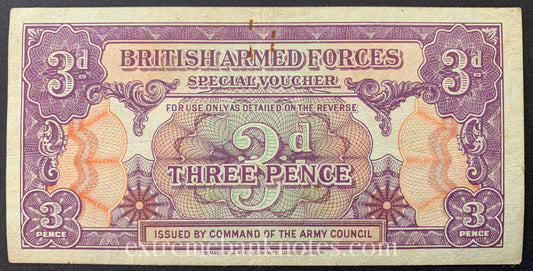
British Armed Forces 3 Pence ND (1946) P-M9 VF
Regular price 3.190 HUFRegular priceUnit price per -
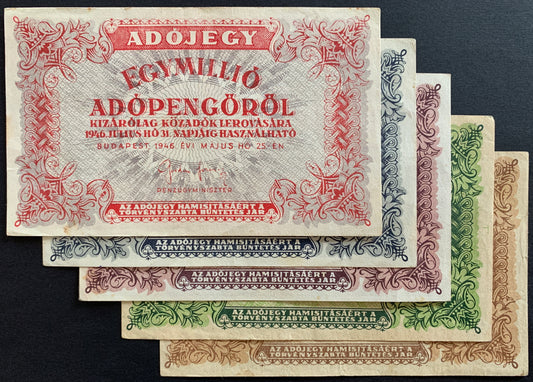
Hungary Adópengő Set
Regular price 4.590 HUFRegular priceUnit price per -
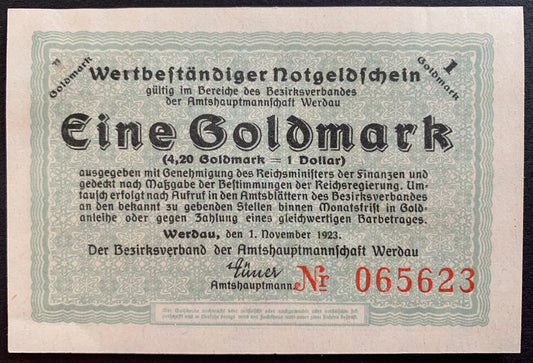
Germany, Werdau 1 Goldmark notgeld 1923 AUNC
Regular price 4.590 HUFRegular priceUnit price per -
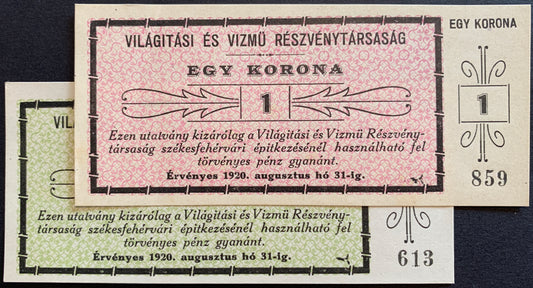
Hungary Local Voucher Set (Székesfehérvár)
Regular price 4.690 HUFRegular priceUnit price per -
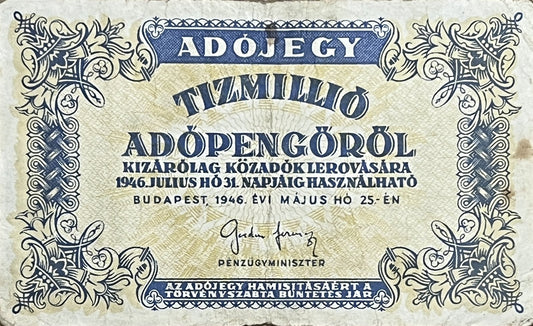
Hungary 10 Million Adópengő 1946 P-141 F – Hyperinflation Tax Note
Regular price 5.990 HUFRegular priceUnit price per -
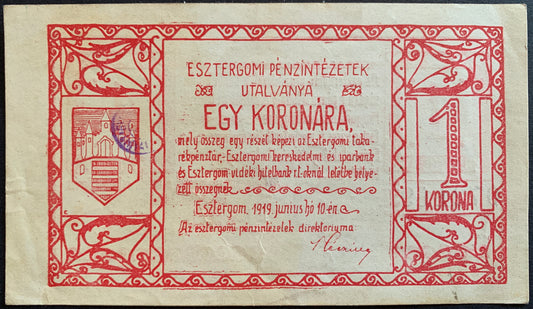
Hungary 1 Korona Local Voucher (Esztergom) 1919 XF
Regular price 6.490 HUFRegular priceUnit price per -
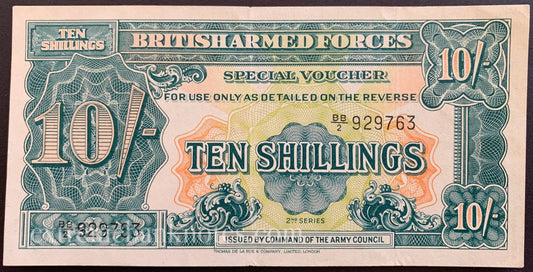
British Armed Forces 10 Shillings ND (1948) P-M21 VF
Regular price 8.890 HUFRegular priceUnit price per







About Vouchers banknotes
When regular money runs short, towns, companies and armies print their own. Hungarian towns issued korona vouchers in 1919, German towns printed Notgeld in the 1920s, and British forces abroad used vouchers instead of sterling. Hungary's adópengő of 1946 was a tax unit designed to keep its value during hyperinflation.
See also: Hungary, Austria, England and pengő.
Frequently asked questions
What is Notgeld?
German and Austrian "emergency money" printed by towns and companies, mainly between 1914 and 1923.
What were British Armed Forces vouchers?
Notes used by British troops abroad from 1946 in canteens and shops, instead of sterling.
Collector guides
Before you buy
- How to Buy Banknotes Safely Our checklist: trustworthy sellers, grades, Pick numbers, replicas and fair prices. Read the guide →
- Banknote Grading Explained What UNC, AU, XF, VF and F mean, with real examples, and how to check a note yourself. Read the guide →
- Pengő vs Milpengő vs B.-Pengő Every 1946 Hungarian note in one table, up to the 100 quintillion pengő record. Read the guide →
- Hyperinflation Banknotes, Ranked The worst inflations in history, from Hungary 1946 to Zimbabwe 2008, and their record notes. Read the guide →