
-
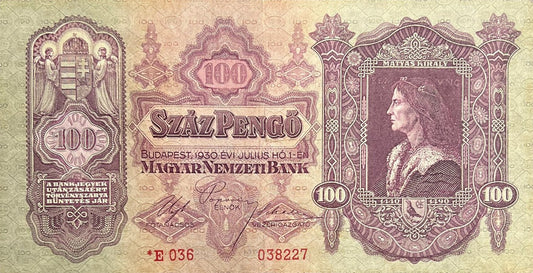
Hungary 100 Pengő* 1930 P-112 VF – Veszprém Szálasi Star Issue
Regular price 2.090 HUFRegular priceUnit price per -
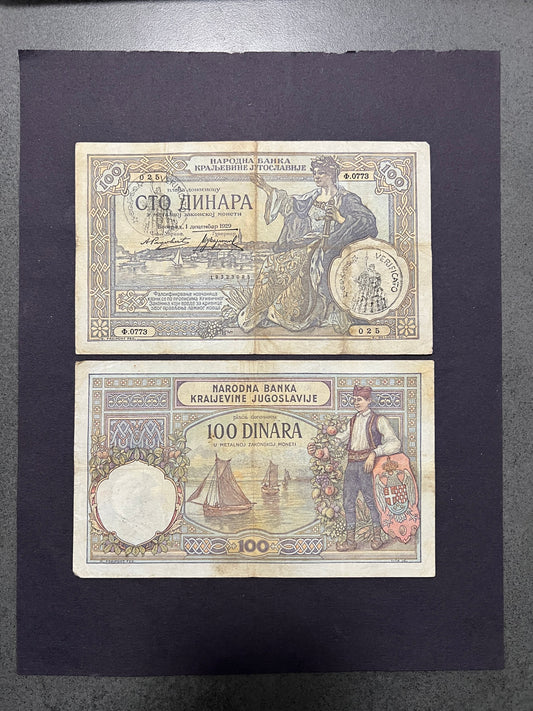
Yugoslavia 100 Dinara 1929 P-R13 F – VERIFICATO Italian Occupation of Montenegro
Regular price 2.390 HUFRegular priceUnit price per -
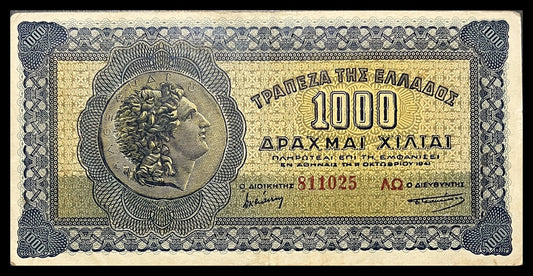
Greece 1000 Drachmai 1941 P-117 VF – Alexander the Great
Regular price 2.690 HUFRegular priceUnit price per -
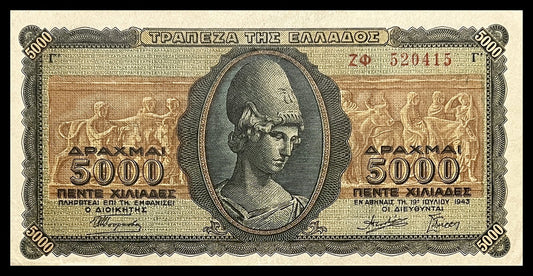
Greece 5000 Drachmai 1943 P-122 XF – Athena & Parthenon Frieze
Regular price 2.690 HUFRegular priceUnit price per -
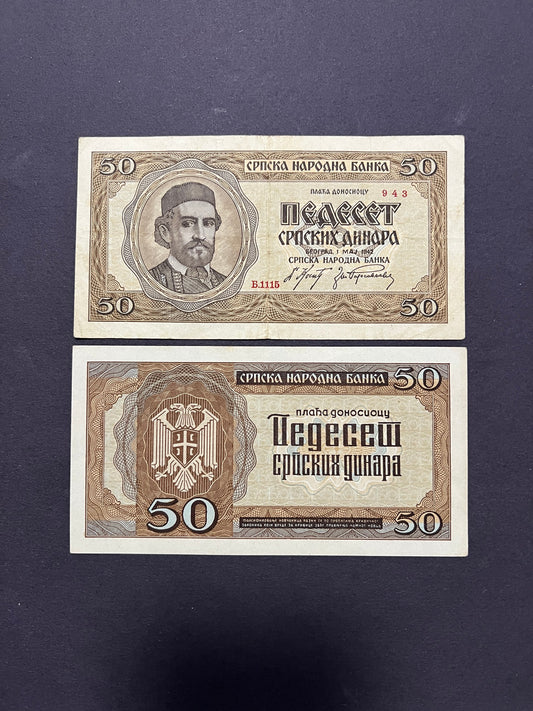
Serbia 50 Dinara 1942 P-29 VF – Petar II Petrović-Njegoš
Regular price 2.790 HUFRegular priceUnit price per -
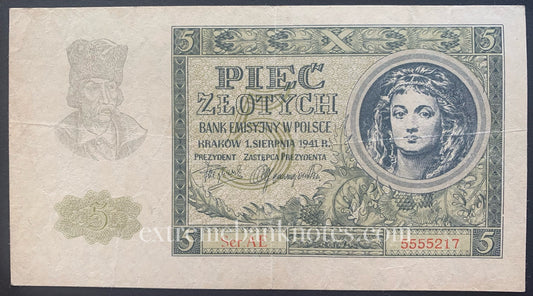
Poland 5 Zlotych 1941 P-101 VF
Regular price 3.490 HUFRegular priceUnit price per -
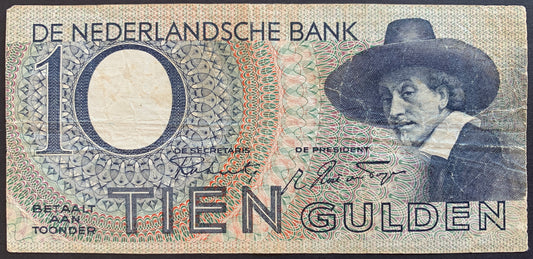
Netherlands 10 Gulden 1943 P-59 F+
Regular price 3.690 HUFRegular priceUnit price per -
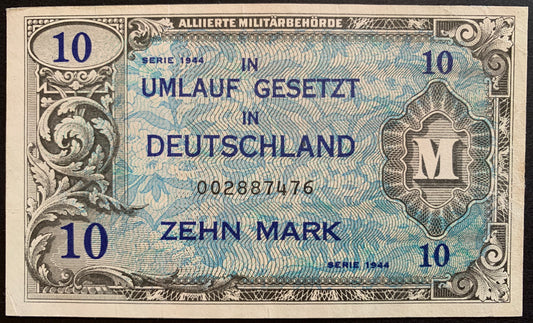
Germany, Allied Military 10 Mark 1944 P-194a VF
Regular price 3.690 HUFRegular priceUnit price per -
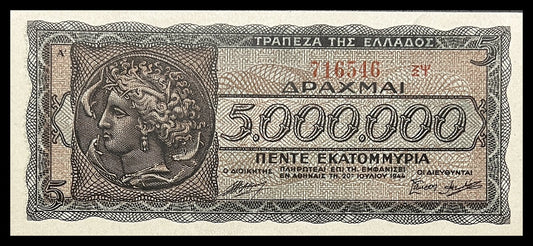
Greece 5,000,000 Drachmai 1944 P-128 AUNC – Arethusa
Regular price 3.990 HUFRegular priceUnit price per -
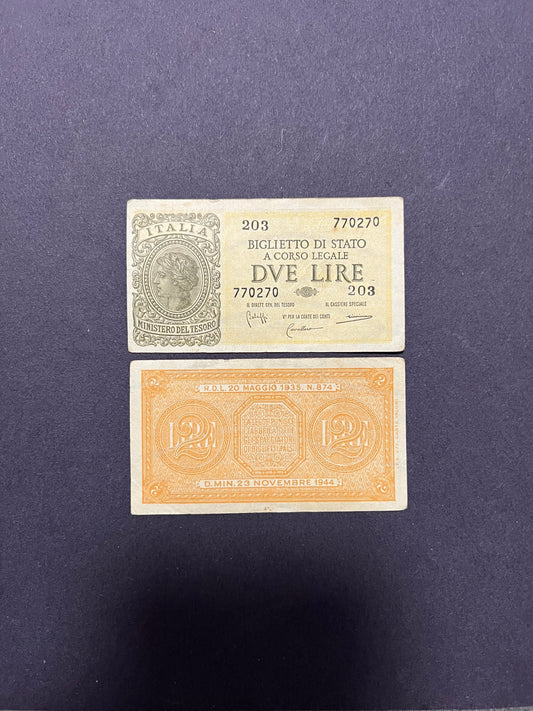
Italy 2 Lire 1944 P-30 VF – Biglietto di Stato
Regular price 3.890 HUFRegular priceUnit price per -
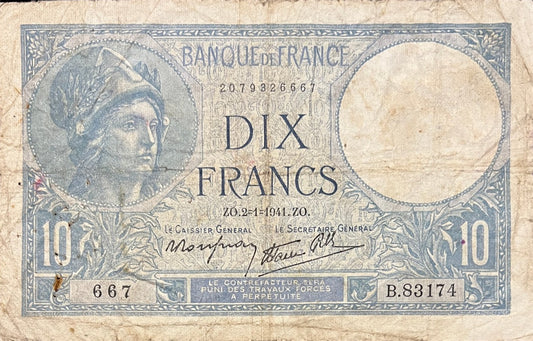
France 10 Francs 1941 Minerve P-84 F – WWII Occupation
Regular price 4.190 HUFRegular priceUnit price per -
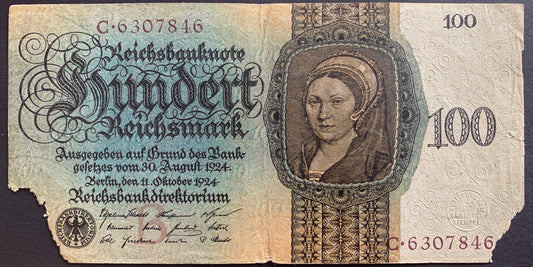
Germany 100 Reichsmark 1924 P-178 fair
Regular price 4.590 HUFRegular priceUnit price per












About World War 2 banknotes
During the war, Germany issued Reichskreditkassen notes in occupied territories, Japan printed occupation money across Asia, and the Allies issued Allied Military Currency as they advanced. Afterwards, Hungary, Greece and others suffered extreme hyperinflation. Many WWII notes were printed in huge numbers, so genuine examples are often still affordable.
See also: World War I banknotes, Greece, Japan and hyperinflation banknotes.
Frequently asked questions
Are WWII banknotes rare?
Many were printed in very large quantities and are affordable; scarcer varieties and high grades cost more.
What is occupation money?
Currency issued by an occupying power for use in the territory it controlled, such as Japanese notes in Malaya or German notes in Greece.
Collector guides
Before you buy
- How to Buy Banknotes Safely Our checklist: trustworthy sellers, grades, Pick numbers, replicas and fair prices. Read the guide →
- Banknote Grading Explained What UNC, AU, XF, VF and F mean, with real examples, and how to check a note yourself. Read the guide →
- Pengő vs Milpengő vs B.-Pengő Every 1946 Hungarian note in one table, up to the 100 quintillion pengő record. Read the guide →
- Hyperinflation Banknotes, Ranked The worst inflations in history, from Hungary 1946 to Zimbabwe 2008, and their record notes. Read the guide →