
-
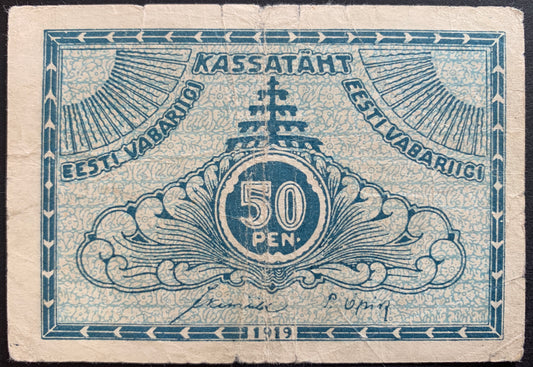
Estonia 50 Penni 1919 P-42 F
Regular price 1.890 HUFRegular priceUnit price per -
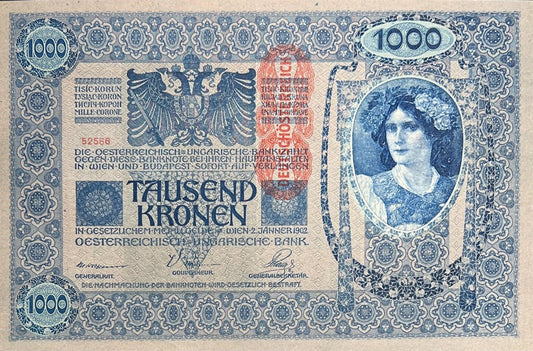
Austria 1000 Kronen ND (1919) XF – Deutschösterreich Overprint
Regular price 4.490 HUFRegular priceUnit price per -
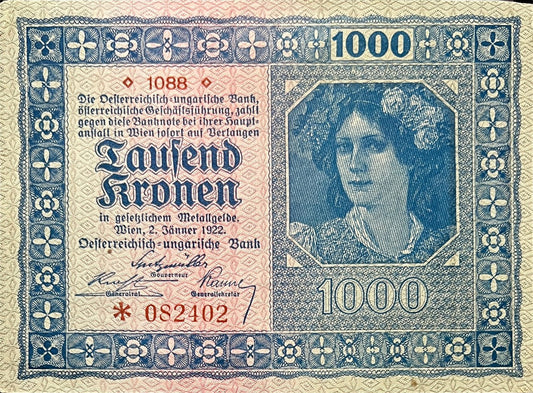
Austria 1000 Kronen 1922 P-78 VF – Austrian Hyperinflation
Regular price 5.290 HUFRegular priceUnit price per -
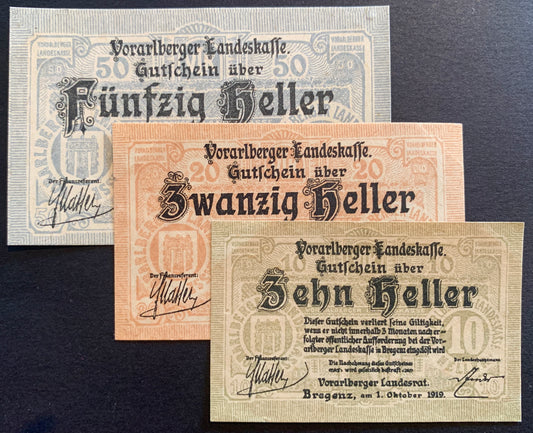
Austria, Vorarlberg Heller Set
Regular price 6.490 HUFRegular priceUnit price per -
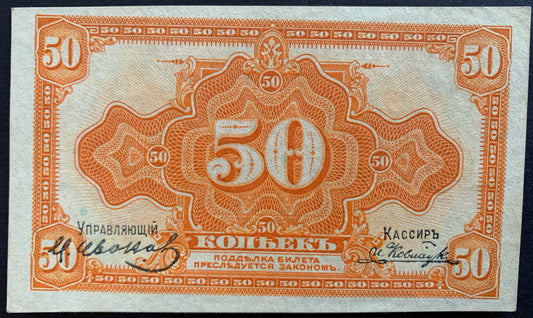
Russia, Priamur Region 50 Kopecks ND (1919) P-S1244 AUNC
Regular price 7.190 HUFRegular priceUnit price per -
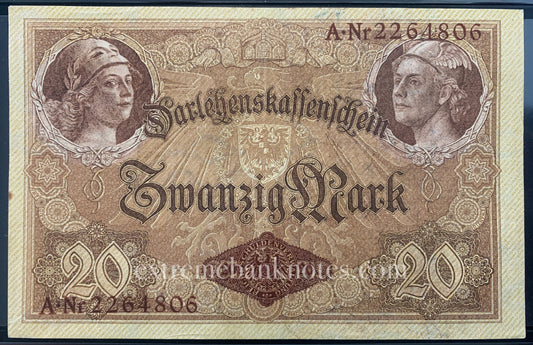
Germany Darlehenskassenschein 20 Mark 1914 P-48b XF
Regular price 9.090 HUFRegular priceUnit price per -
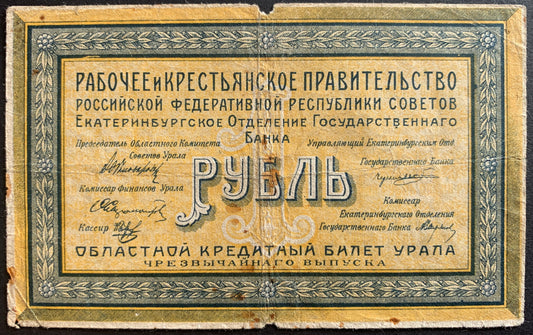
Russia, Yekaterinburg 1 Rouble 1918 P-S921 VG
Regular price 9.090 HUFRegular priceUnit price per -
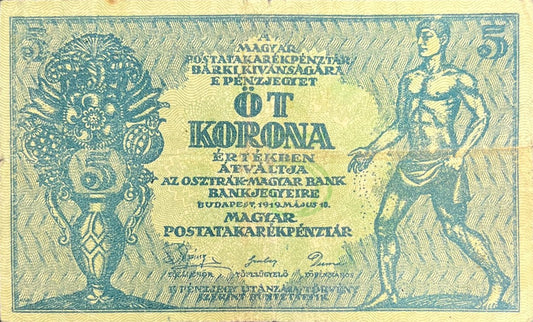
Hungary 5 Korona 1919 F+ – Postatakarékpénztár Soviet Republic Era
Regular price 11.590 HUFRegular priceUnit price per -
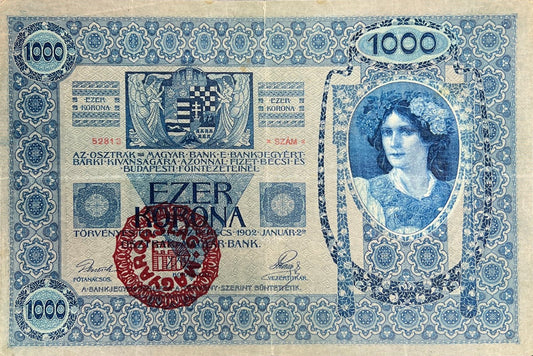
Hungary 1000 Korona 1902 (1920) P-31 VF – MAGYARORSZÁG Overstamp
Regular price 11.990 HUFRegular priceUnit price per









About World War 1 banknotes
When the war began in 1914, Germany issued Darlehenskassenscheine (loan bank notes) and towns across Central Europe printed emergency money. After 1918 the collapse of empires created new states, from Estonia to Czechoslovakia, each needing its own money, while revolution and civil war in Russia produced hundreds of local issues.
See also: World War II banknotes, Austria, Russia and vouchers and Notgeld.
Frequently asked questions
What is a Darlehenskassenschein?
A German "loan bank note" issued from 1914 to expand the money supply during the war.
Why did so many new currencies appear after 1918?
The Austro-Hungarian, Russian and German empires broke up, and each new state introduced its own money.
Collector guides
Before you buy
- How to Buy Banknotes Safely Our checklist: trustworthy sellers, grades, Pick numbers, replicas and fair prices. Read the guide →
- Banknote Grading Explained What UNC, AU, XF, VF and F mean, with real examples, and how to check a note yourself. Read the guide →
- Pengő vs Milpengő vs B.-Pengő Every 1946 Hungarian note in one table, up to the 100 quintillion pengő record. Read the guide →
- Hyperinflation Banknotes, Ranked The worst inflations in history, from Hungary 1946 to Zimbabwe 2008, and their record notes. Read the guide →