
-
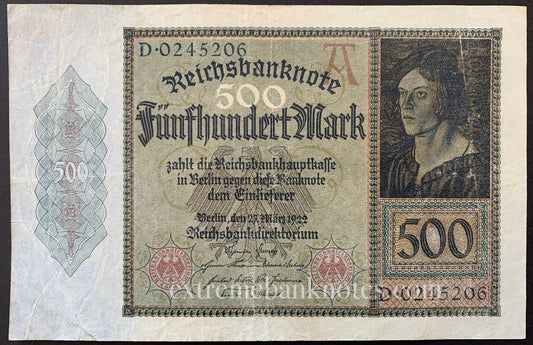
Germany 500 Mark 1922 P-73 VF
Regular price 7.890 HUFRegular priceUnit price per -
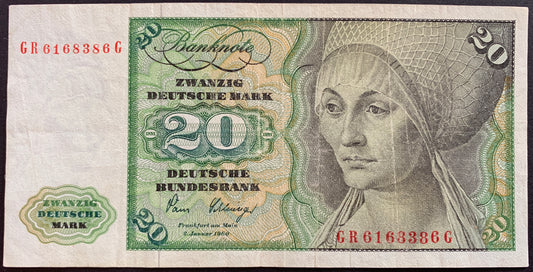
Germany 20 Deutsche Mark 1980 P-32d VF
Regular price 7.890 HUFRegular priceUnit price per -
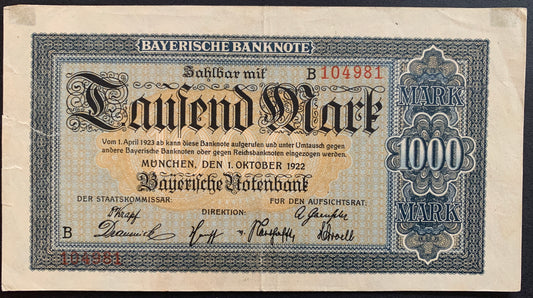
Germany 1000 Mark notgeld 1922 P-S924 F
Regular price 7.990 HUFRegular priceUnit price per -
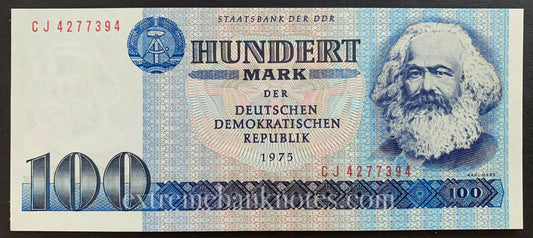
Germany 100 Mark 1975 P-31b UNC
Regular price 8.690 HUFRegular priceUnit price per -

 Sold out
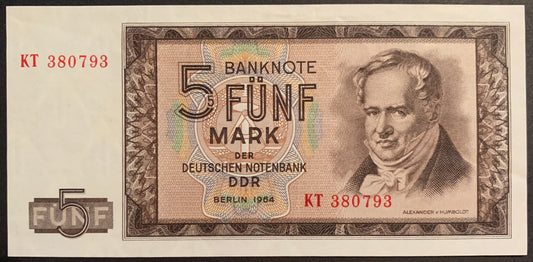
Germany 5 Mark 1964 P-22 XF
Regular price 9.790 HUFRegular priceUnit price per -
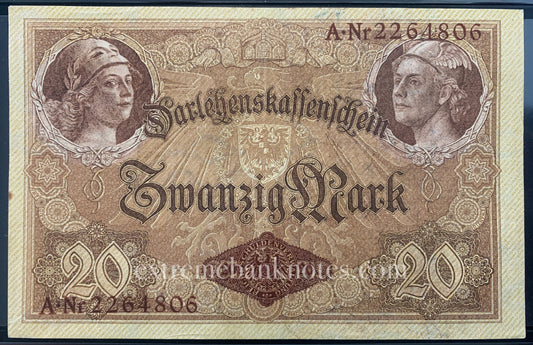
Germany Darlehenskassenschein 20 Mark 1914 P-48b XF
Regular price 9.990 HUFRegular priceUnit price per -
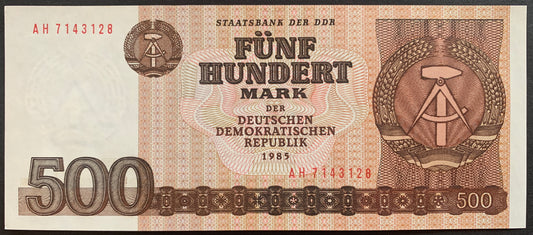
East Germany 500 Mark 1985 P-33 UNC
Regular price 10.590 HUFRegular priceUnit price per -

 Sold out
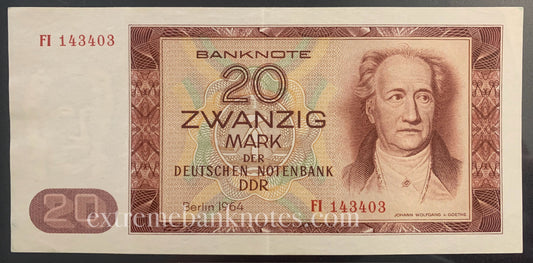
Germany 20 Mark 1964 P-24 XF
Regular price 10.690 HUFRegular priceUnit price per -
Germany 50 Deutsche Mark 1948 P-14b UNC consecutive pair
Regular price 11.890 HUFRegular priceUnit price per -
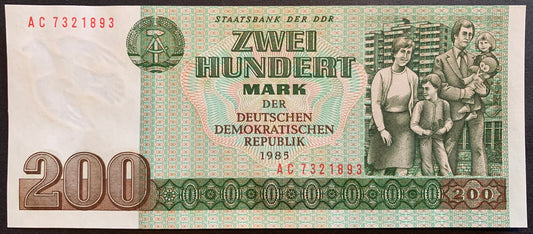
Germany, GDR 200 Mark 1985 P-32 UNC
Regular price 12.590 HUFRegular priceUnit price per -
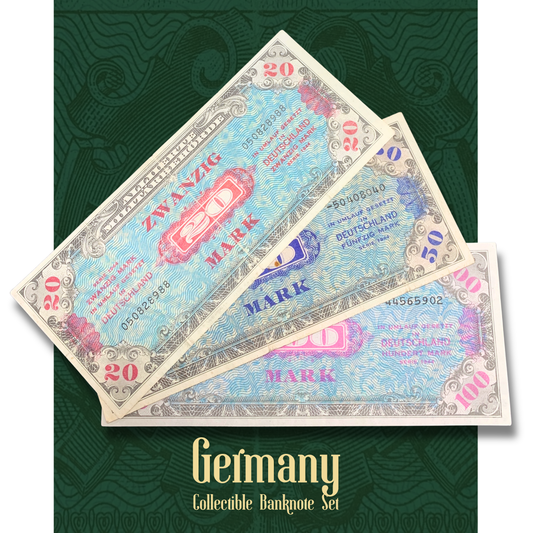
Germany WWII Allied Military Currency Bundle
Regular price 14.290 HUFRegular priceUnit price per -
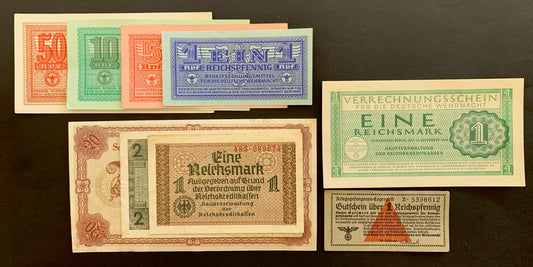
Germany WWII Reichsmark Bundle
Regular price 17.890 HUFRegular priceUnit price per











About Germany banknotes
The Reichsbank issued Germany's marks from 1876. During the First World War Germany left the gold standard, and by November 1923 hyperinflation had made one trillion paper marks worth a single Rentenmark. The Reichsmark followed in 1924, the Deutsche Mark in 1948 in the West and the Mark der DDR in the East. Germany adopted the euro in 2002 at 1.95583 Deutsche Mark per euro.
See also: Austria, World War I banknotes, World War II banknotes and hyperinflation banknotes.
Frequently asked questions
How bad was the 1923 German hyperinflation?
By November 1923 one US dollar cost 4.2 trillion marks, and notes of up to 100 trillion marks were printed.
What replaced the German mark?
The Rentenmark in 1923, the Reichsmark in 1924, the Deutsche Mark in 1948 and the euro in 2002.
What is German Notgeld?
Emergency money printed by German towns, districts and companies between 1914 and 1923, when official notes and coins ran short.
Are your Germany banknotes genuine?
Yes. Every Germany note we sell is a genuine banknote, never a copy or replica. Each listing states the grade, gives the Pick catalogue number where one exists and shows the front and back, and every order ships tracked from Hungary.