
-
Nigeria 10, 20 & 50 Naira Polymer Set 2022-2023 UNC
Regular price 4.990 HUFRegular priceUnit price per -

 Sold out
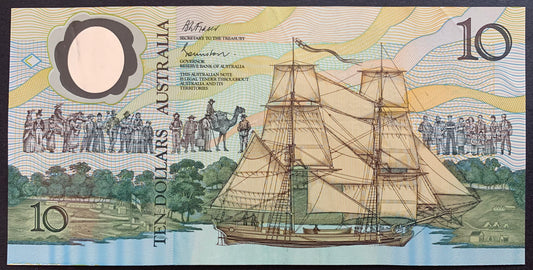
Australia 10 Dollars 1988 P-49 VF
Regular price 5.790 HUFRegular priceUnit price per -
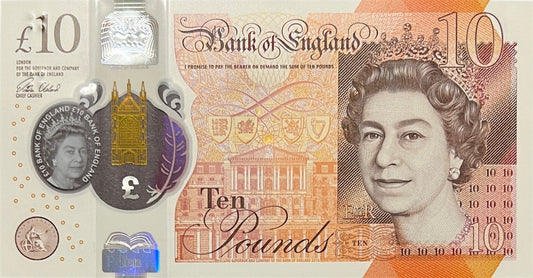
England 10 Pounds ND (2017) P-395 UNC – Jane Austen
Regular price 6.690 HUFRegular priceUnit price per -
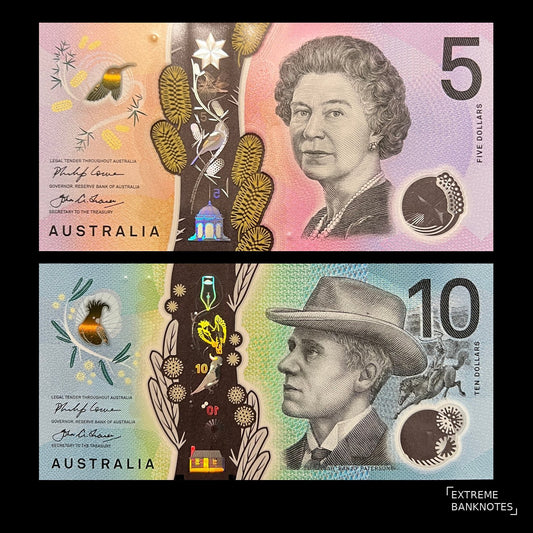
Australia 5 & 10 Dollars Polymer Set 2017-2018 UNC
Regular price 9.290 HUFRegular priceUnit price per -
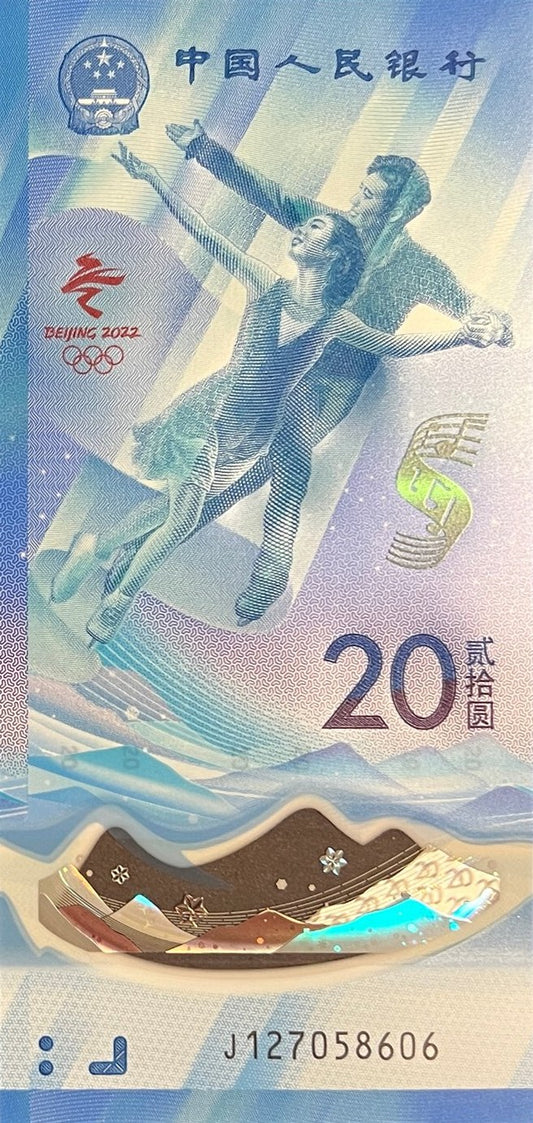
China 20 Yuan 2022 UNC – Beijing Winter Olympics
Regular price 9.290 HUFRegular priceUnit price per -
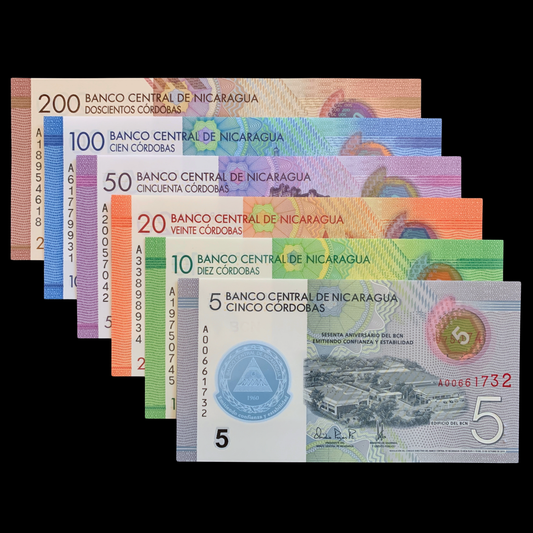
Nicaragua 5–200 Córdobas 2014 UNC – Complete Polymer Set
Regular price 22.190 HUFRegular priceUnit price per -
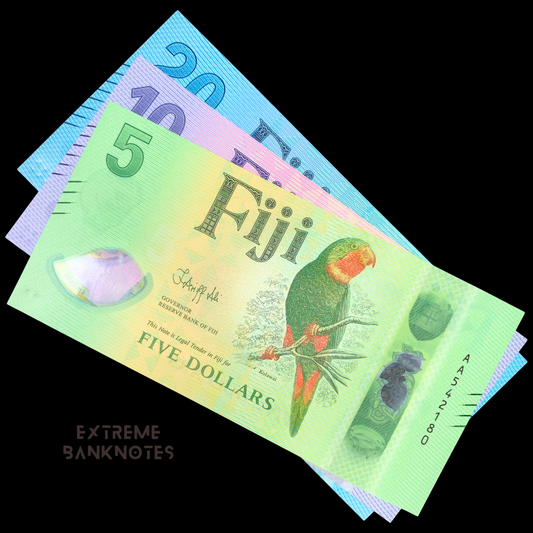
Fiji Polymer Dollar UNC Bundle
Regular price 22.390 HUFRegular priceUnit price per






About Polymers, hybrids banknotes
Australia issued the first polymer banknote in 1988, and today dozens of countries use polymer for some or all of their notes, including the United Kingdom, Canada, New Zealand, Vietnam and Nigeria. Polymer notes typically last several times longer than paper and can carry transparent windows and other features that are hard to copy. Hybrid notes combine a paper core with polymer layers.
See also: Australia, commemorative banknotes and uncirculated banknotes.
Frequently asked questions
Which country issued the first polymer banknote?
Australia, in 1988, with a commemorative 10 dollar note for its bicentenary.
How should polymer notes be stored?
Like paper notes: in archival, PVC-free sleeves, away from heat. Avoid folding, as creases in polymer are permanent.