
-

 Sold out
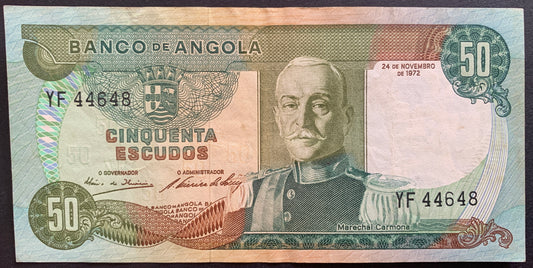
Angola 50 Escudos 1972 P-100 VF
Regular price 1.990 HUFRegular priceUnit price per -

 Sold out
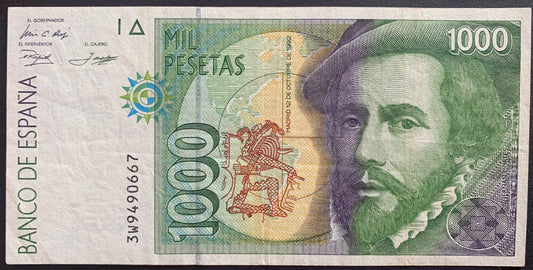
Spain 1000 Pesetas 1992 P-163 VF
Regular price 1.990 HUFRegular priceUnit price per -
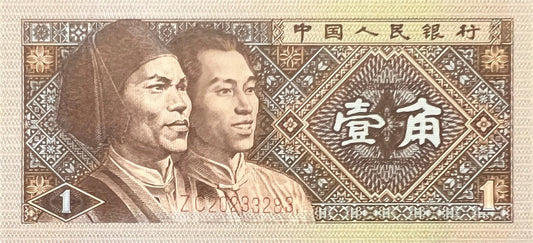
China 1 Jiao 1980 P-881a UNC – Gaoshan and Manchu
Regular price 1.990 HUFRegular priceUnit price per -
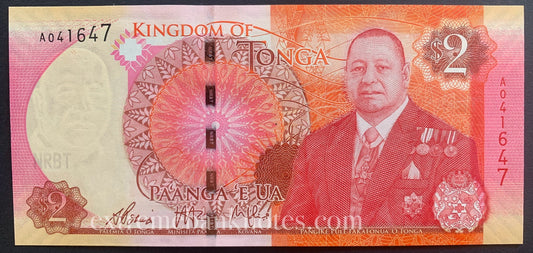
Tonga 2 Pa'anga 2015 P-44 UNC
Regular price 1.990 HUFRegular priceUnit price per -
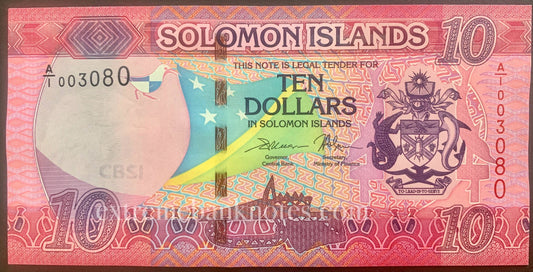
Solomon Islands 10 Dollars 2017 P-33 UNC
Regular price 1.990 HUFRegular priceUnit price per -
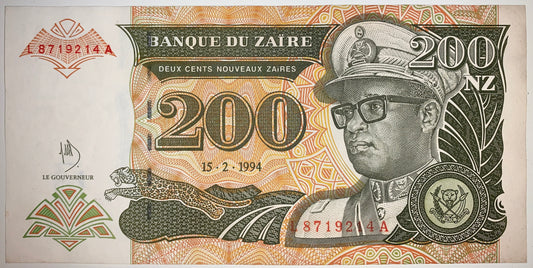
Zaïre 200 Nouveaux Zaires 1994 P-61a UNC
Regular price 1.990 HUFRegular priceUnit price per -
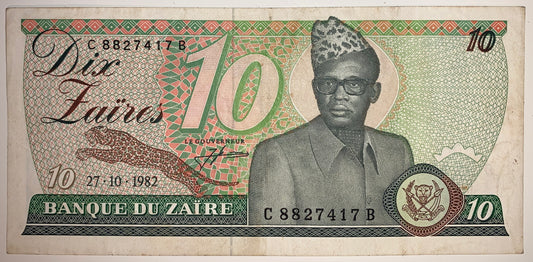
Zaïre 10 Zaires 1982 P-27 VF
Regular price 1.990 HUFRegular priceUnit price per -
Uganda 100 New Shillings 1988 P-31b UNC
Regular price 2.090 HUFRegular priceUnit price per -
Zambia 100 Kwacha 2006 P-38f UNC
Regular price 2.090 HUFRegular priceUnit price per -
Uganda 5 Shilingi 1979 & 1982 UNC – Variation Bundle
Regular price 2.290 HUFRegular priceUnit price per -

 Sold out
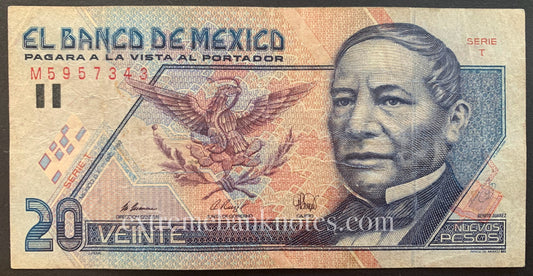
Mexico 20 Nuevos Pesos 1992 P-100 VF
Regular price 2.390 HUFRegular priceUnit price per -
Solomon Islands 5 Dollars ND (2011) P-26c UNC
Regular price 2.390 HUFRegular priceUnit price per







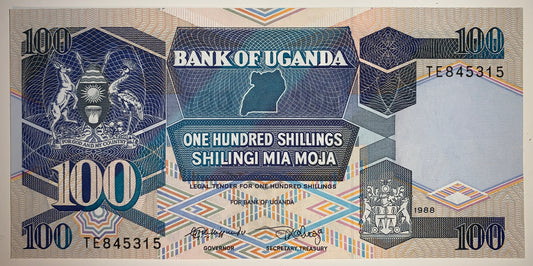

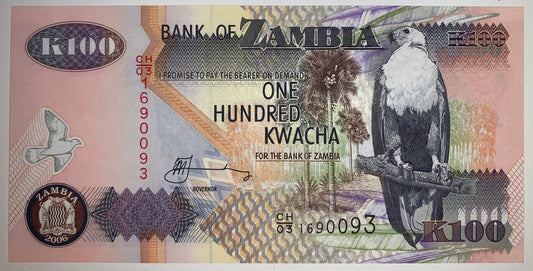


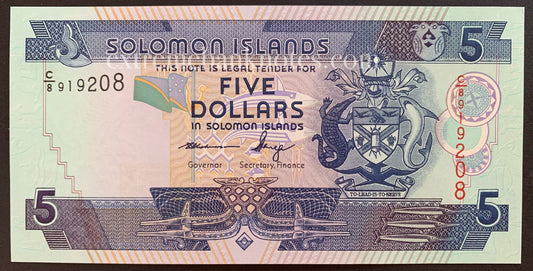
About coats of arms on banknotes
A coat of arms on a banknote is a statement of authority. When regimes change, emblems change too: Hungary's crowned arms on pengő notes, the hammer and compass of East Germany or the changing emblem of Laos all show political history at a glance.
See also: historical figures, maps and flags and Hungary.
Frequently asked questions
Why do banknotes show coats of arms?
To show the issuing authority and national identity, and as an extra design element that is hard to copy.
Can coats of arms help date a note?
Yes. Changes in emblems often mark a change of government, which helps identify the issue.
Collector guides
Before you buy
- How to Buy Banknotes Safely Our checklist: trustworthy sellers, grades, Pick numbers, replicas and fair prices. Read the guide →
- Pengő vs Milpengő vs B.-Pengő Every 1946 Hungarian note in one table, up to the 100 quintillion pengő record. Read the guide →
- Polymer Banknotes Guide Which countries use plastic money, and the best polymer notes to collect. Read the guide →
- Commemorative Folder Notes 98 commemorative notes by continent, with the story and how many were made. Read the guide →